
Home Nursing vs Hospital —
Which Is Better for Recovery?
For families in India facing a post-surgery discharge or managing a chronically ill patient, the question is always the same: should they stay in hospital or come home? The answer isn't always straightforward. This guide compares home nursing and hospital care across the factors that matter most — cost, safety, infection risk, recovery speed and comfort.

The Core Difference
Hospital care provides 24/7 access to doctors, nurses, diagnostic equipment and emergency response — essential for critically ill patients or those requiring intensive medical monitoring. However, it also comes with significant costs, hospital-acquired infection risk, disrupted sleep and separation from family.
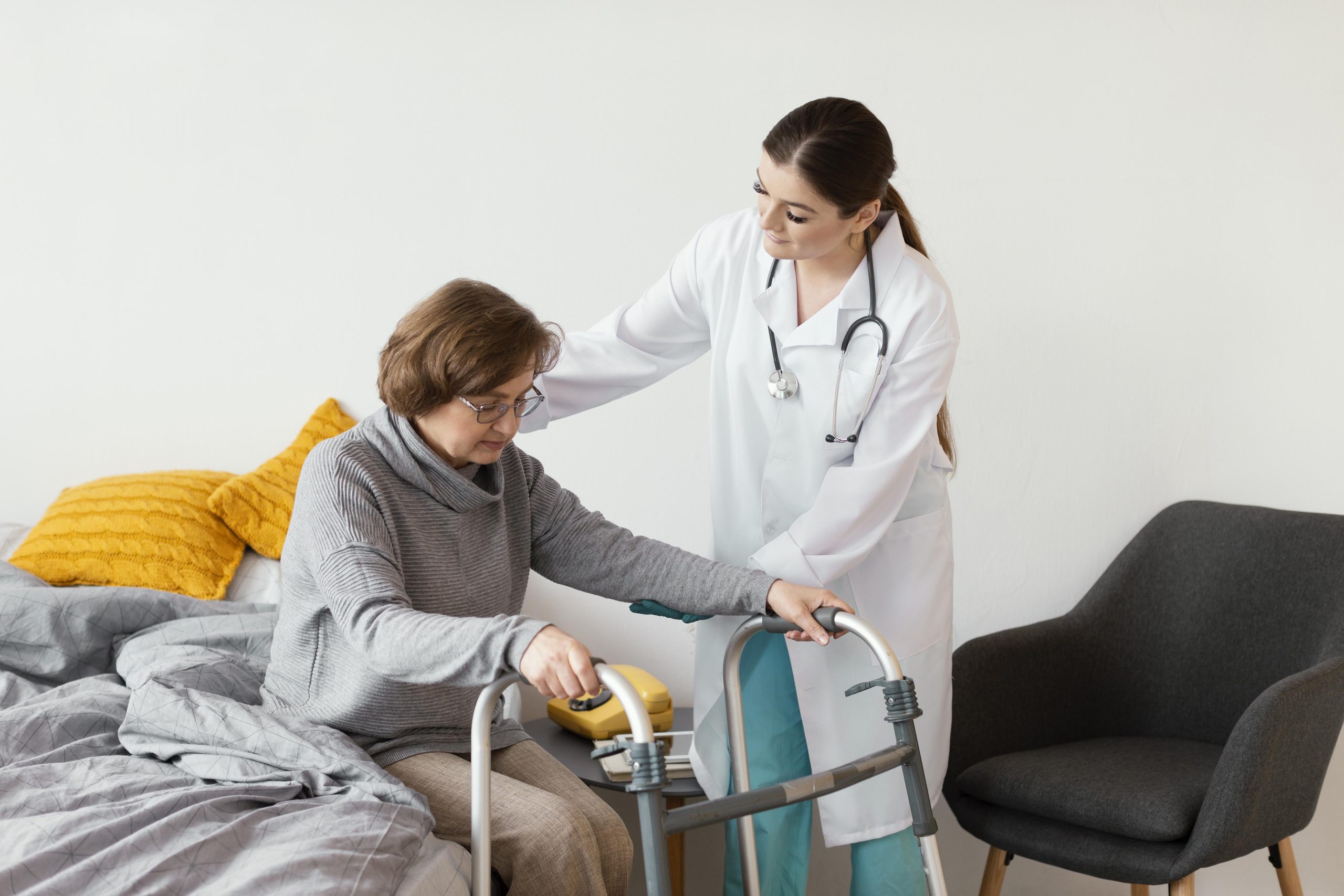
Home nursing brings qualified nursing care to the patient's home — providing professional medical attention in a familiar, comfortable environment. For stable patients who have passed the acute phase of their illness or recovery, home nursing often leads to faster recovery, lower costs and better psychological outcomes.
The choice between home nursing and hospital is not about which is universally better — it's about which is right for the patient's specific medical condition and stage of recovery.
Critically ill patients need hospital. Stable patients recovering from surgery, illness or managing chronic conditions often do better at home — with lower cost, lower infection risk and faster recovery.
Home Nursing vs Hospital — Full Comparison
| Factor | 🏠 Home Nursing | 🏥 Hospital Stay |
|---|---|---|
| Cost per day | Very affordable — fraction of hospital cost | ₹5,000–₹25,000+ per day (private) |
| Infection Risk | Low — patient stays away from hospital germs | Higher — hospital-acquired infections common |
| Patient Comfort | Own bed, own food, own routine | Unfamiliar environment, disrupted sleep |
| Family Presence | Family always present — reduces anxiety | Restricted visiting hours in most hospitals |
| Recovery Speed | Often faster for stable patients | Slower — institutional environment |
| 24/7 Nurse Access | Scheduled visits (can be arranged overnight) | Yes — round the clock |
| Emergency Response | Requires calling ambulance / 108 | Immediate in-hospital emergency team |
| Specialist Access | Requires teleconsult or visit | Multiple specialists on-site |
| Diagnostic Tests | Blood tests at home (NABL certified) | Imaging, labs, advanced diagnostics |
| Psychological Wellbeing | Better — familiar surroundings | Hospital anxiety, disrupted sleep common |
| Medication Compliance | Nurse monitors medication at home | Administered by hospital nurses |
| Best For | Stable recovery, chronic conditions, elderly care | Acute illness, surgery, intensive monitoring |
Hospital-Acquired Infections — A Serious Risk in India
🦠 Hospital-Acquired Infections (HAIs) — A Major Concern
Hospital-acquired infections (HAIs) — infections contracted during a hospital stay — are a significant and often underestimated risk, especially in Indian hospitals. Common HAIs include MRSA (drug-resistant staph), urinary tract infections from catheters, and ventilator-associated pneumonia. For immunocompromised patients — cancer patients, diabetics, elderly patients and post-surgery patients — contracting an HAI can significantly complicate recovery and extend hospital stays.
Home nursing completely eliminates hospital-acquired infection risk. The patient recovers in their own hygienic home environment, away from multiple other sick patients, shared hospital equipment and resistant hospital bacteria.
For patients who are already immunocompromised — cancer patients during chemotherapy, elderly diabetics, post-transplant patients — the infection risk of prolonged hospital stays must be seriously weighed against the benefits of continued hospitalisation.
Cost Comparison — Home Nursing vs Hospital in India
| Expense | Home Nursing (per day) | Hospital Stay (per day) |
|---|---|---|
| Room / Bed charge | No charge | ₹3,000–₹15,000 (private room) |
| Nursing care | Home nursing session fee | Included in daily charges |
| Food | Home-cooked — minimal cost | ₹500–₹2,000 per day (hospital meals) |
| Blood tests | ₹199–₹599 per test (NABL certified) | ₹500–₹3,000+ (hospital lab rates) |
| Visitor / Attendant stay | No cost — family at home | ₹500–₹2,000 (attendant room) |
| Medicine costs | Market rate — delivered home | Often 30–50% higher at hospital pharmacy |
| Transport | No travel — zero cost | Daily family visit transport costs |
Hospital costs vary significantly between government hospitals (much lower), corporate hospitals and smaller nursing homes. The comparison above reflects mid-range private hospital costs in cities like Nashik, Pune and Mumbai.

When to Choose Home Nursing — And When to Stay in Hospital
🏠 Choose Home Nursing When...
- Patient is medically stable and cleared for discharge by the doctor
- Recovering from surgery and needs wound dressing, IV antibiotics or physiotherapy
- Managing a chronic condition (diabetes, heart failure, COPD) at home
- Requires palliative or end-of-life care with dignity at home
- Elderly patient who is confused and distressed in the hospital environment
- Patient recovering from stroke or orthopaedic surgery needing rehab
- Cancer patient requiring supportive care between chemo cycles
- Cost constraints make extended hospital stay unsustainable
- Patient needs regular monitoring but not intensive intervention
🏥 Stay in Hospital When...
- Patient is critically ill or medically unstable
- Requires continuous cardiac or neurological monitoring
- Needs ventilator support or ICU-level care
- Recent major surgery with potential for serious complications
- Requires imaging or specialist intervention that cannot be done at home
- Risk of medical emergency is high and rapid response is essential
- Patient is confused or delirious with safety risks at home
- Home environment is not safe or supportive for care
Does Home Nursing Actually Lead to Faster Recovery?
Research consistently shows that stable patients recover faster at home than in hospital. The reasons are well-established:
- Sleep quality — hospitals are noisy environments. Frequent checks, equipment alarms and other patients disturb sleep — which is critical for healing. Home provides better sleep, directly accelerating recovery.
- Psychological comfort — patients in familiar surroundings with family present have lower cortisol (stress hormone) levels, faster wound healing and stronger immune responses.
- Mobility — post-surgery patients are more willing to walk and exercise at home than in the anxiety-inducing hospital environment, leading to faster functional recovery.
- Nutrition — patients eat better at home. Familiar home-cooked food tailored to the patient's preferences leads to better nutritional intake than standardised hospital meals.
- Family involvement — family members at home are more attentive to subtle changes in the patient's condition than nurses managing many patients simultaneously.
Who Is Best Suited for Home Nursing in India?
- Post-surgery patients — knee replacement, hip replacement, cardiac surgery (post-stable discharge)
- Elderly patients with dementia or delirium who become more confused in hospital
- Diabetic patients needing regular BP, blood sugar and wound monitoring
- Stroke patients requiring long-term physiotherapy and nursing care
- Cancer patients in palliative stage or between chemo cycles
- COPD / heart failure patients needing daily monitoring at home
- Post-fracture patients in a cast requiring wound care and therapy
- Patients with active sepsis or serious infection requiring IV antibiotics and monitoring
- Acute heart attack or stroke in the first 24–72 hours
- Patients requiring blood transfusions or dialysis
- Patients with uncontrolled pain that cannot be managed at home
- Psychiatric patients with self-harm risk
- Patients with newly identified serious conditions requiring investigation
💉 Book Nursing Care at Home in Nashik
Medola provides certified home nursing in Nashik for post-surgery recovery, wound dressing, IV therapy, injection administration and chronic condition monitoring. Book via app, WhatsApp or call.