

High Blood Pressure Symptoms India —
When to Call a Doctor
Hypertension affects 1 in 3 Indian adults — and most don't know they have it. High blood pressure is called the "silent killer" because it causes no symptoms for years, then strikes as a heart attack or stroke. This guide explains the symptoms to watch for, normal BP ranges and when to seek urgent help.
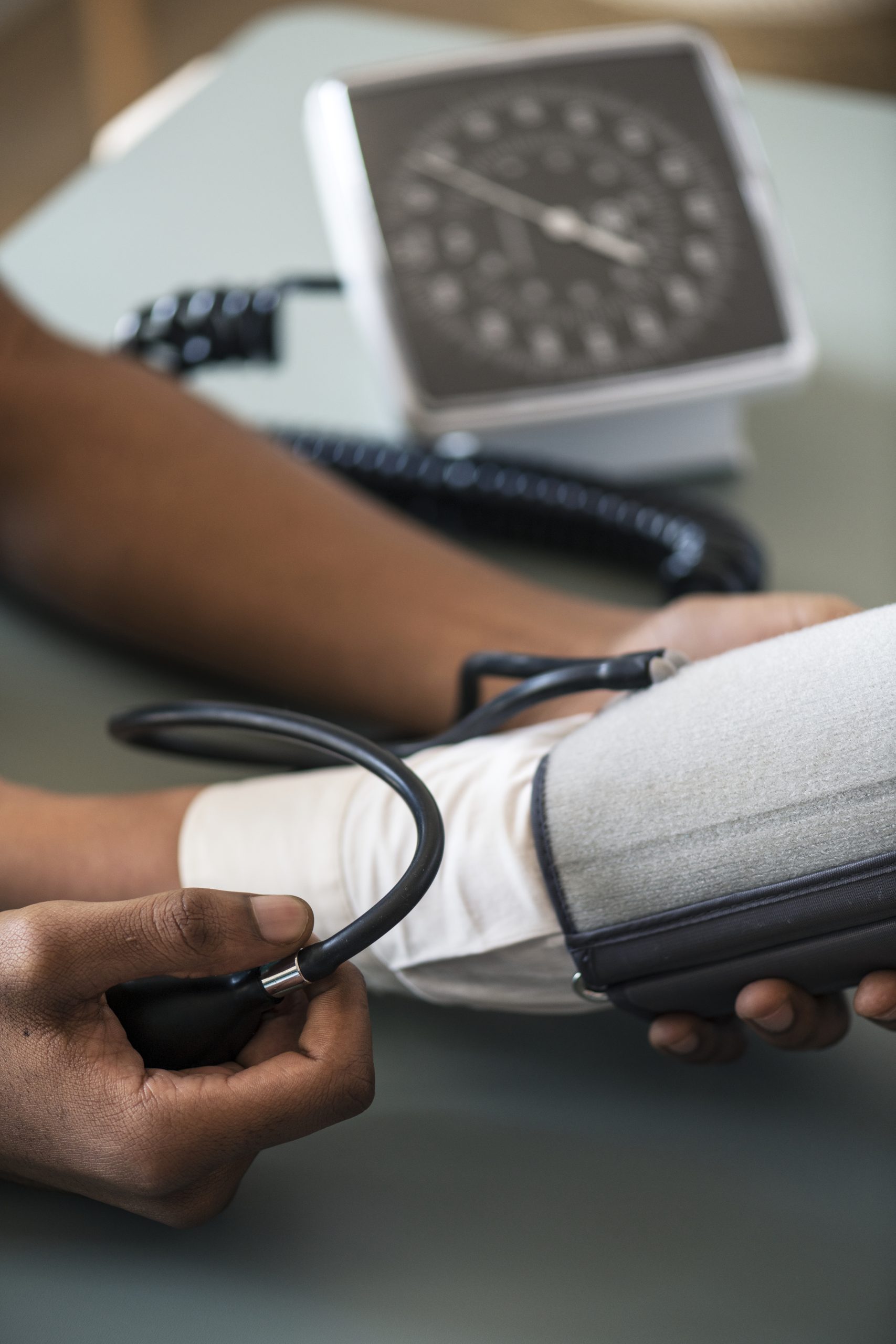
Banner 1 — After Hero
Replace src="PASTE-YOUR-IMAGE-URL-HERE.jpg" with your WordPress image URL
Normal Blood Pressure Range in India
| Category | Systolic (mmHg) | Diastolic (mmHg) | What to Do |
|---|---|---|---|
| Normal | Below 120 | Below 80 | Maintain healthy lifestyle |
| Elevated | 120 – 129 | Below 80 | Lifestyle changes needed |
| Stage 1 Hypertension | 130 – 139 | 80 – 89 | Doctor consultation required |
| Stage 2 Hypertension | 140 or above | 90 or above | Medication likely needed |
| Hypertensive Crisis | Above 180 | Above 120 | Emergency — seek immediate care |
Over 22 crore Indians have hypertension — but fewer than 1 in 7 have it under control. Hypertension is the leading risk factor for stroke (which kills or disables more Indians than any other disease) and a major driver of heart attacks and kidney failure.
High Blood Pressure Symptoms — What to Watch For
Most hypertension causes no symptoms at all — which is why regular blood pressure monitoring is essential even for people who "feel fine." When symptoms do appear, they typically indicate significantly elevated BP and should be taken seriously.
🤕 Severe Headache
Typically at the back of the head, often worse in the morning. Different from a tension headache — more intense and sudden.
💫 Dizziness
Sudden dizziness or feeling off-balance — especially when standing up. Can also indicate low BP or inner ear issues.
🩸 Nosebleeds
Frequent or spontaneous nosebleeds (epistaxis) — particularly those that are hard to stop — can accompany very high BP.
👁️ Visual Disturbances
Blurred vision, seeing spots or lights, or sudden vision changes — indicate BP affecting blood vessels in the eye.
💗 Palpitations
Feeling of the heart racing, pounding or skipping beats — the heart working harder against high resistance.
🫁 Shortness of Breath
Breathlessness on exertion or at rest — the heart and lungs under strain from elevated pressure.
💢 Chest Pain or Tightness
Any chest pain with high BP is a potential cardiac emergency. Do not wait — seek immediate medical help.
😰 Facial Flushing
Sudden redness and warmth in the face — blood vessels dilating in response to pressure changes.
🚨 Seek Emergency Help Immediately If:
- BP reading is above 180/120 mmHg
- Severe sudden headache unlike any before
- Chest pain or pressure
- Weakness, numbness or paralysis on one side of the body
- Difficulty speaking or understanding speech
- Sudden vision loss in one or both eyes
- Confusion or difficulty thinking clearly
- Difficulty breathing at rest
Blood Pressure Check at Home in Nashik
Book a doctor or nurse home visit for BP monitoring, medication review and cardiac assessment in Nashik. Available 7 days a week.

Banner 2 — Middle Body
Replace src="PASTE-YOUR-IMAGE-URL-HERE.jpg" with your WordPress image URL
Common Causes of High Blood Pressure in India
- High salt intake — Indian diets are typically very high in sodium (pickles, papads, processed foods)
- Excess weight and obesity — especially central obesity (belly fat) prevalent in Indians
- Physical inactivity — sedentary urban lifestyles dramatically increase hypertension risk
- Chronic stress — work pressure, financial stress and life pressures raise cortisol and BP
- Diabetes — insulin resistance and high blood sugar damage blood vessels
- Excessive alcohol and tobacco — both directly raise blood pressure
- Family history — hypertension has a strong genetic component
- Kidney disease — damaged kidneys struggle to regulate fluid and sodium balance
- Sleep apnoea — increasingly common, directly causes nocturnal BP surges
Blood Tests Required for Hypertension Patients
For every new diagnosis of hypertension, doctors in India typically order these blood tests to check for BP-related organ damage and associated conditions:
- Kidney Function Test (KFT) — BP is the second leading cause of kidney disease in India; creatinine and eGFR assess kidney health
- Lipid Profile — hypertension and high cholesterol together massively increase cardiac risk
- Fasting Blood Sugar and HbA1c — diabetes and hypertension coexist in over 30% of Indian patients
- Urine Routine with Microalbumin — detects early kidney damage (protein leaking into urine)
- ECG — checks for heart enlargement or rhythm problems caused by long-term high BP
- Thyroid (TSH) — both hypothyroidism and hyperthyroidism can affect blood pressure
High Blood Pressure India — FAQs
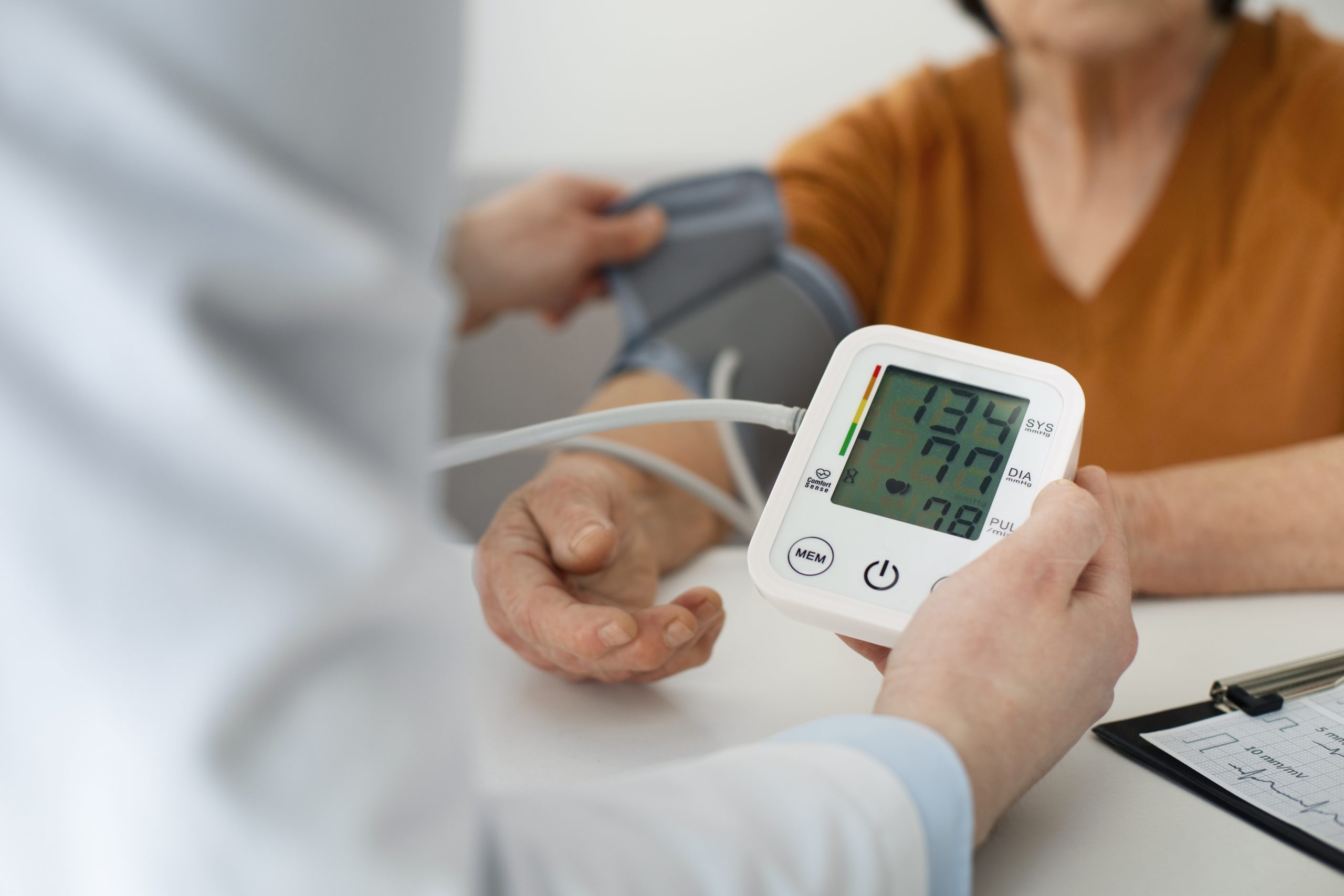
Banner 3 — Bottom of Page
Replace src="PASTE-YOUR-IMAGE-URL-HERE.jpg" with your WordPress image URL