Kidney Function Test (KFT) Guide India —
Creatinine, BUN & eGFR Explained
Your kidneys filter over 180 litres of blood every day. A Kidney Function Test (KFT) tells you how well they're doing — and catches early kidney damage years before symptoms appear. This guide explains every KFT parameter, normal ranges and what your results mean.
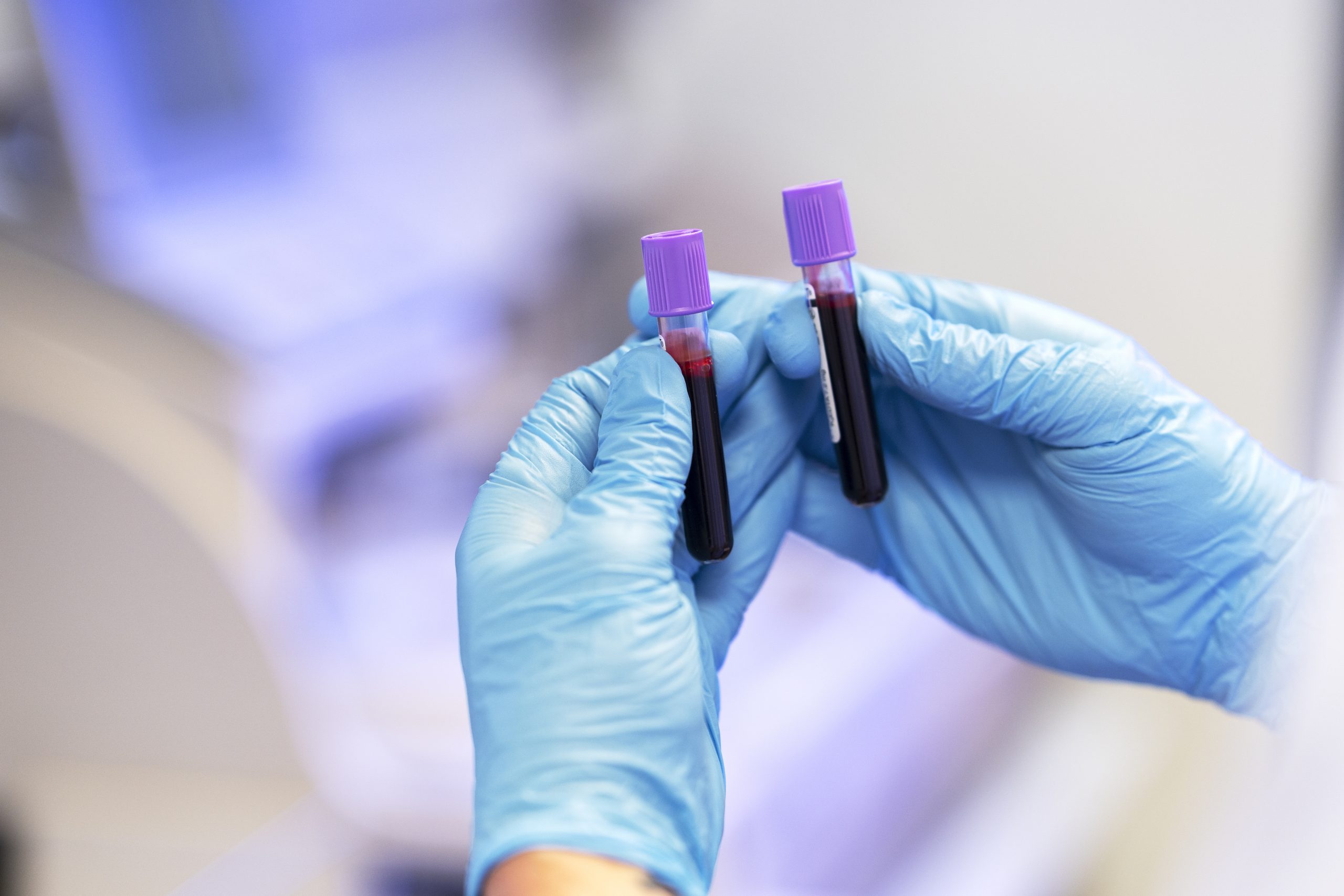
Banner 1 — After Hero
Replace src="PASTE-YOUR-IMAGE-URL-HERE.jpg" with your WordPress image URL
What Is a Kidney Function Test (KFT)?
A Kidney Function Test (KFT) — also called Renal Function Test (RFT) or Renal Profile — is a panel of blood and urine tests that measures how effectively your kidneys are filtering waste products from the blood. Kidneys perform critical functions: removing waste, regulating fluid balance, controlling blood pressure, producing hormones and maintaining electrolyte balance.
KFT is one of the most important annual tests for Indians because kidney disease is largely silent — most people lose up to 60–70% of kidney function before experiencing any symptoms. Early detection through regular KFT testing allows treatment to slow or stop disease progression.
India has an estimated 17 crore people with some form of chronic kidney disease (CKD). Diabetes and hypertension — both extremely common in India — are the leading causes. Most CKD patients are unaware of their condition until it reaches advanced stages. Annual KFT testing for all diabetic and hypertensive patients can prevent dialysis.
KFT Parameters — What Each Test Measures
Serum Creatinine
The most important kidney marker. Creatinine is muscle waste — kidneys filter it out. High creatinine = reduced kidney function.
BUN (Blood Urea Nitrogen)
Urea is a protein breakdown product filtered by kidneys. High BUN with high creatinine confirms kidney dysfunction.
eGFR (Estimated GFR)
Calculated from creatinine, age, sex. The most accurate measure of kidney filtration capacity. Below 60 for 3+ months = CKD.
Uric Acid
Elevated in kidney disease, gout and metabolic syndrome. Kidneys excrete uric acid — impaired kidneys raise levels.
Sodium (Na)
Kidneys regulate sodium balance. Abnormal levels indicate fluid regulation problems or kidney dysfunction.
Potassium (K)
High potassium (hyperkalemia) is a serious complication of kidney failure — can cause dangerous heart rhythm changes.
KFT Normal Range Table — India Reference Values
| Test | Normal Range | High Indicates | Low Indicates |
|---|---|---|---|
| Creatinine (Men) | 0.7 – 1.2 mg/dL | Kidney damage | Muscle loss |
| Creatinine (Women) | 0.5 – 1.0 mg/dL | Kidney damage | Low muscle mass |
| BUN | 7 – 20 mg/dL | Kidney/liver disease | Malnutrition |
| eGFR | Above 90 mL/min | — | CKD (below 60) |
| Sodium | 136 – 145 mEq/L | Dehydration | Fluid overload |
| Potassium | 3.5 – 5.0 mEq/L | Kidney failure risk | Heart rhythm risk |
| Uric Acid (Men) | 3.5 – 7.2 mg/dL | Gout / CKD | — |
Understanding eGFR — The Most Important Kidney Number
eGFR (Estimated Glomerular Filtration Rate) is the single most important number in your kidney report. It tells you what percentage of normal kidney function you still have:
| eGFR (mL/min/1.73m²) | CKD Stage | Meaning |
|---|---|---|
| Above 90 | Normal / Stage 1 | Normal kidney function (if other markers normal) |
| 60 – 89 | Stage 2 | Mildly reduced — monitor every 6 months |
| 45 – 59 | Stage 3a | Mild to moderate reduction — needs treatment |
| 30 – 44 | Stage 3b | Moderate to severe reduction |
| 15 – 29 | Stage 4 | Severe reduction — prepare for dialysis |
| Below 15 | Stage 5 — Kidney Failure | Dialysis or transplant required |
Book Kidney Function Test at Home in Nashik
Complete KFT panel at home. NABL-certified results on WhatsApp in 24 hours. Essential for diabetic and hypertensive patients.
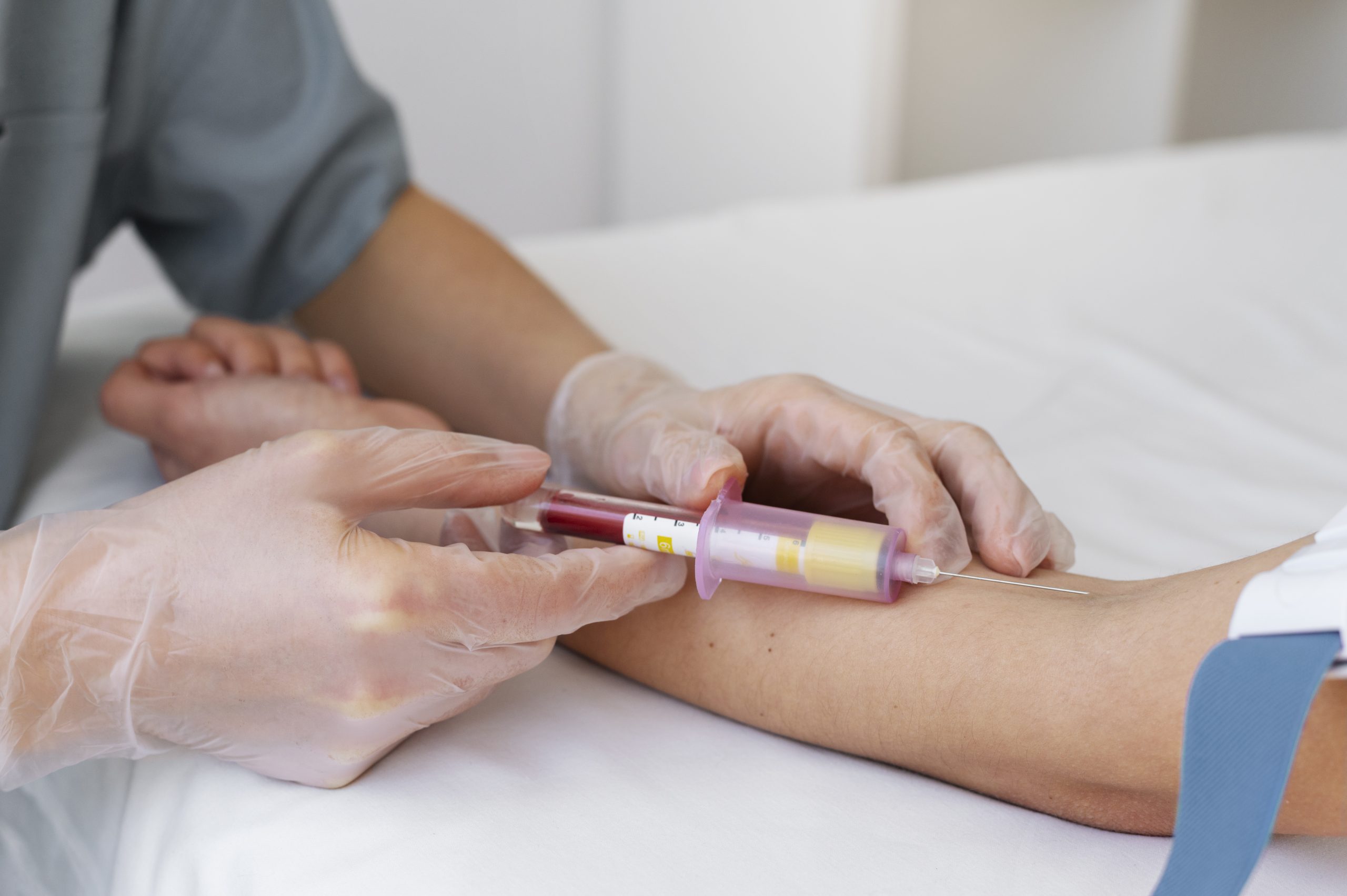
Banner 2 — Middle Body
Replace src="PASTE-YOUR-IMAGE-URL-HERE.jpg" with your WordPress image URL
Who Needs a KFT in India?
- Diabetic patients — annually; diabetes is the leading cause of kidney failure in India
- Hypertension patients — blood pressure damages kidney filtering vessels over time
- Family history of kidney disease — CKD has a genetic component
- Anyone with swelling of legs, ankles or face — kidneys regulate fluid balance
- Frequent or reduced urination — changes in urine output are a key kidney symptom
- Blood in urine (hematuria) — requires immediate KFT and urine examination
- Long-term NSAID use — pain killers like Diclofenac and Ibuprofen damage kidneys over time
- People over 50 — kidney function naturally declines with age
- Recurrent kidney stones — uric acid and calcium monitoring needed
How to Prepare for KFT Test
- Fasting: 8–12 hours recommended if combined with other fasting tests (blood sugar, lipid). Creatinine alone does not require fasting.
- Hydration: Drink adequate water the day before — dehydration temporarily raises creatinine and can give a false high result
- Avoid strenuous exercise for 24 hours before — intense exercise temporarily raises creatinine
- Continue regular medications — do not stop blood pressure or diabetes medication before the test
- Inform your doctor of any supplements or herbal products — some affect kidney markers
Kidney Function Test India — FAQs
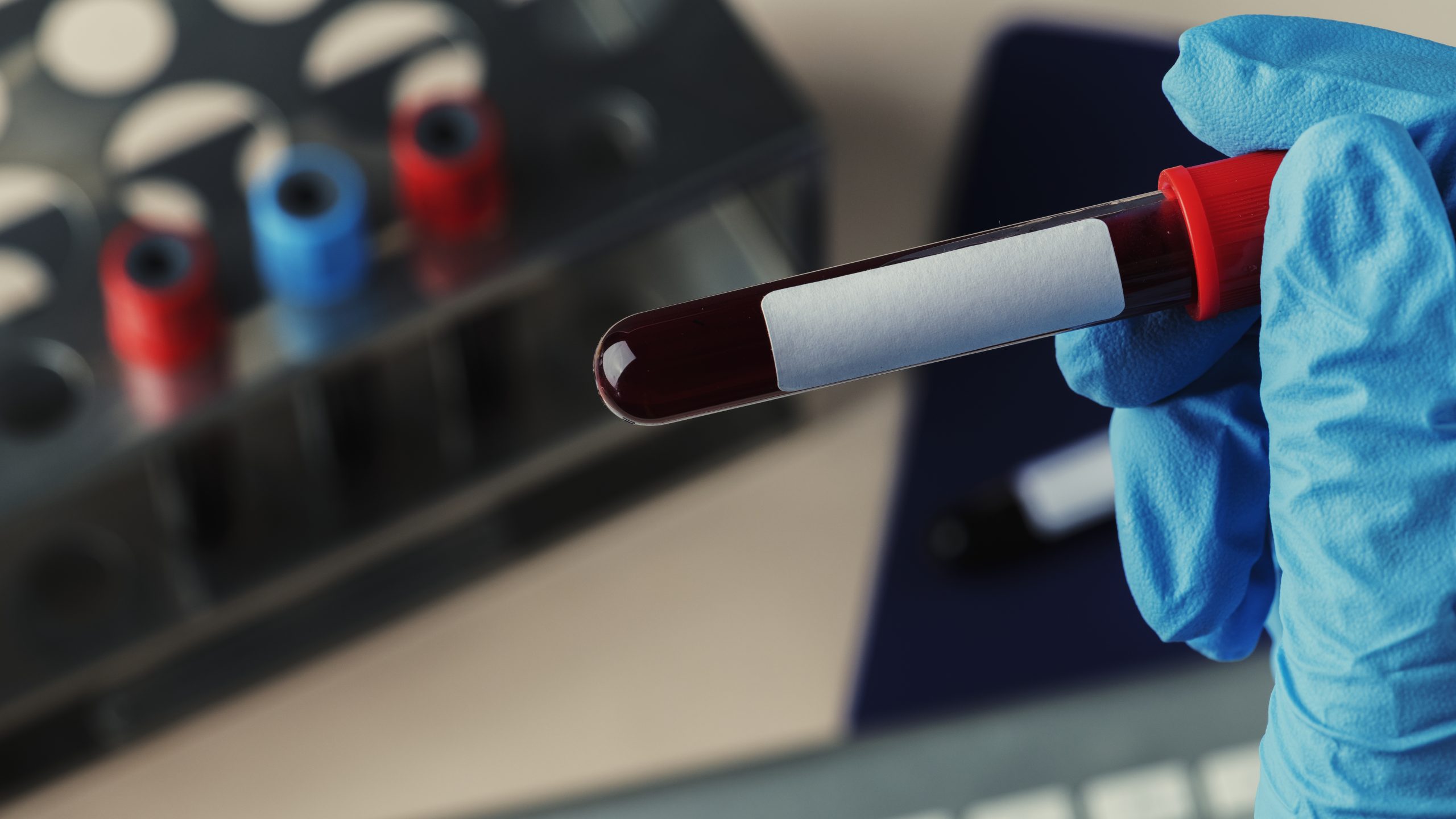
Banner 3 — Bottom of Page
Replace src="PASTE-YOUR-IMAGE-URL-HERE.jpg" with your WordPress image URL